
The Spirit of Japan
The Spirit of Japan as featured on the BBC series “The Art of Japanese Life”. The tracks draw inspiration from traditional Japanese and East Asian Music.

The Spirit of Japan as featured on the BBC series “The Art of Japanese Life”. The tracks draw inspiration from traditional Japanese and East Asian Music.
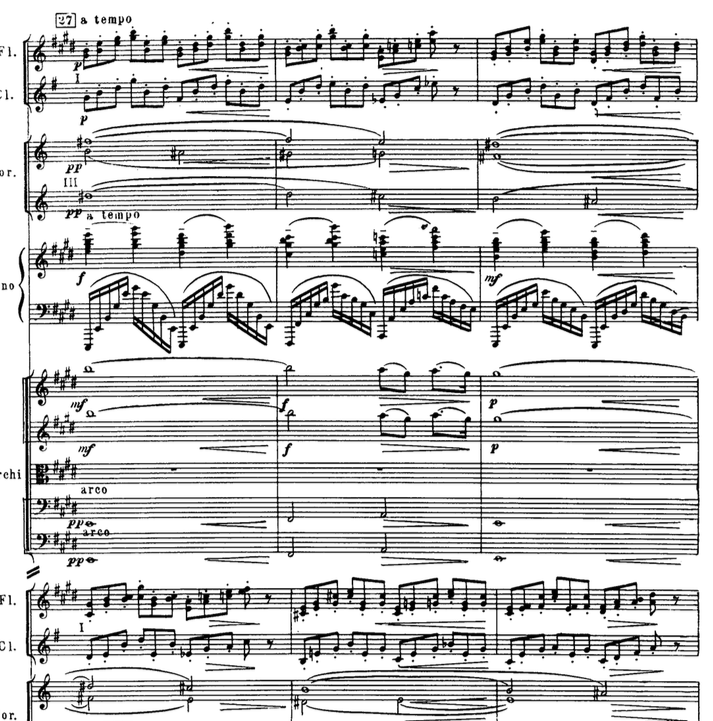
There can be few pieces of classical music loved as much as Rachmaninov’s (Rachmaninoff) 2nd Piano Concerto.
Written around 1901 his Opus 18 concerto in C minor has become a worldwide popular classic. At the time it firmly established his reputation as a composer and pianist. (he was the soloist for the premier performance in 1901)
Purchase the Royalty Free Recording of the concerto here

YoPo Music has recorded an extract of the beautiful slow movement. The track is now available to purchase and use in your productions. See below to preview the music and purchase your copy.
Perhaps most famously, the piano concerto provided the score for David Leen’s 1945 film Brief Encounter, but it also can be heard in many other films including:
Why has the piece remained so popular?
The concerto is a masterpiece of beautiful melodies and harmonic progressions continually pulling at your heart strings. There is an overwhelmingly sentimental feel to it – an almost depressed sad quality inherent in its c minor key. However there is also beauty and hope all through this work, a determination love will prevail no matter what. Perhaps it is this quality which has made the piece such a perfect fit for the many films it has appeared on.
When you purchase a track from YoPo Music you purchase a licence to dub that music onto your productions as many times as you like, worldwide in perpetuity. Please see the terms and conditions for full licensing details.
More information on Rachmaninov at Wikipedia
See the full orchestral score at IMSLP Petrucci Music Library
Have just finished a new solo piano recording of Massenet’s beautiful, soothing ‘Meditation’ from his opera Thais.
The piece was originally written for violin and orchestra, but is often heard as a violin / piano arrangement. This solo piano arrangement is a new buyout recording by YoPo Music performed by Jonathan Slatter. Like Royalty Free Music, once purchased you can use the music on your productions as many times as you like with no further fees to pay.
https://www.pond5.com/royalty-free-music/item/29791237-massenet-meditation-thais-piano-solo
The latest addition to YoPo Music’s classical collection is a new recording of Pergolesi’s sublime Stabat Mater.
Written in 1736 in the last two weeks of Pergolesi’s life, the Stabat Mater is one of his most celebrated sacred works.
Take a listen to our new chamber orchestra recording below.
YoPo Music is proud to present a brand new royalty free Non-MCPS recording of Charles Widor’s stunning Toccata from his Organ Symphony No.5.
The toccata is undoubtedly one of the most recognisable pieces of recessional church organ music, as performed at royal weddings and celebrations around the world. This modern style fast tempo recording was made using samples from a modern (1958) Rieger-Kloss organ in Montreal, Canada.
Widor himself preferred to play the toccata at quite a slow and deliberate tempo, whereas the many modern interpretations, including this new release, perform the piece at a much faster pace. There is a recording of Widor playing the Toccata when he was 89! Available on YouTube.
Purchase here:
I’m in the process of recording some choral works for YoPo Music. Just finished is a new royalty free recording of Gregorio Allegri’s Miserere Mei Deus. Take a listen to the extract below.
To make this recording I have been using the incredible sampled choirs produced by Spectrasonics in their award winning “Symphony of Voices”. If you have any suggestions for additions to the buyout production music choral collection please let me know.
I bought Symphony of Voices back in 1999, and it’s still one of those outstanding sample instruments that is a pleasure to work with and oozes quality.
Symphony of Voices is a four disc CD-Rom collection of some of the finest vocalists in the world.
This is the new track Freedom Flight from the album Tranquility.
The hit TV series Primeval is using YoPo Music for the sponsorship trailers.The trailers start in June 2012 and will run for 8 weeks on ITV.
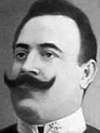
Entrance of the Gladiators (or Entry of the Gladiators) was composed by the Czech composer Julius Fucik in 1897.
The title of the work stems from the composer’s own personal interest in the Roman Empire.
Party due to the popularity of arrangements of the piece made by Canadian composer Louis-philip Laurendeau, the piece has become firmly established as a well known march to stir up circus audiences, and for the introduction of clowns.
You can purchase a professional recording of this track below. Royalty Free – Instant Delivery of WAV and MP3 files.
To get your royalty free copy from Pond5 click here
Background to Entry of the Gladiators from AI
Julius Fučík’s military march, “Entry of the Gladiators,” op. 68 is a staple of circus music, famously used as the “entry of the clowns,” and is also performed in concert settings. It was written by the Czech composer Julius Fučík in Sarajevo on October 17, 1897, and was inspired by the description of a gladiator’s appearance in the novel Quo Vadis.
Composer: Julius Fučík
Original Title: “Grande Marche Chromatique”
Current Title: “Entry of the Gladiators,” op. 68
Date Written: October 17, 1897
Location Written: Sarajevo
Inspiration: The description of a gladiator’s appearance in Henryk Sienkiewicz’s novel Quo Vadis
Common Use: Circus music, especially for clown entrances, but also performed in concerts.
